
Medically reviewed by Alyssa Mueller, CADC II — Clinical Director · Last updated 2025
Complete the form for a free insurance coverage check or call us to speak with an experienced and compassionate team member who can guide you in maximizing your benefits. Your insurance provider will not be notified.
"*" indicates required fields
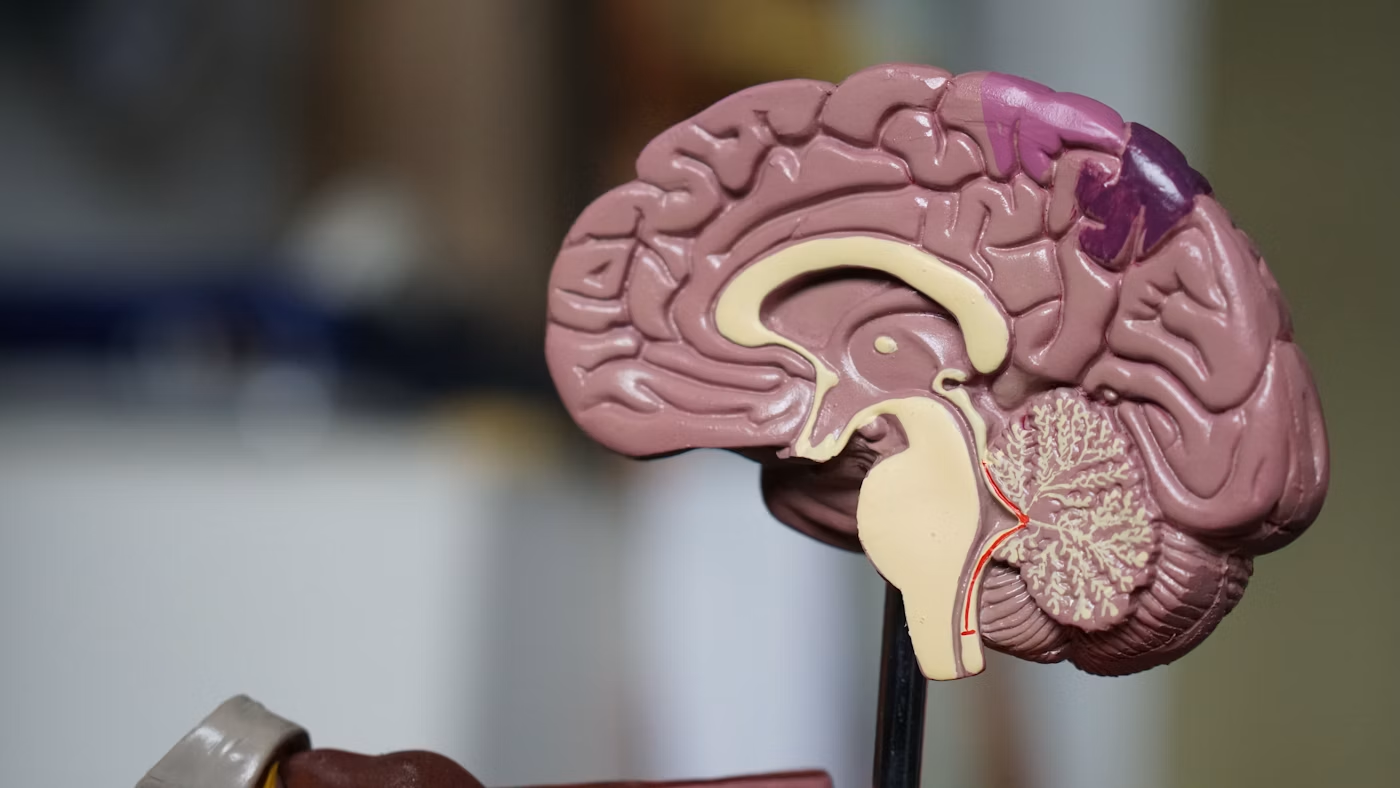
Methamphetamine is a potent central nervous system stimulant that triggers intense euphoria, heightened energy, and increased alertness through massive dopamine release. That surge is what makes the drug exceedingly addictive — and what drives lasting neurological damage.
Neuroimaging research shows that chronic meth use produces measurable reductions in dopamine transporter density and receptor availability that persist for months or years into abstinence. Clinically, this manifests as anhedonia — an inability to feel pleasure from everyday activities — which fuels powerful motivation to keep using. According to the National Institute on Drug Abuse, structural brain changes also affect memory, emotional regulation, and decision-making.

Methamphetamine use produces medical complications that demand attention alongside addiction treatment — cardiovascular damage, dental deterioration (“meth mouth”), skin sores, malnutrition, and severe sleep deprivation.
Mental health disorders are also common: depression, anxiety, PTSD, and drug-induced psychotic symptoms including paranoid delusions and hallucinations. Distinguishing primary psychiatric conditions from substance-induced symptoms requires careful assessment and, often, sustained abstinence.
Hypertension, arrhythmias, and increased stroke/heart-attack risk even in young adults.
Rapid tooth decay, sores, and infections from picking and impaired healing.
Depression, anxiety, PTSD, and meth-induced psychotic symptoms.
Weight loss, immune dysfunction, and destabilization from binge patterns.
Identify triggers, develop coping strategies, and modify the thought patterns that support continued use.
Tangible, escalating rewards for verified abstinence — proven to increase early-recovery success rates.
A structured 16-week protocol combining individual therapy, family education, testing, and relapse-prevention groups.
Empathetic, collaborative work to resolve ambivalence and strengthen personal commitment to change.
The cognitive deficits meth produces require treatment adaptations to ensure accessibility and effectiveness despite neurological impairment.
Our clinicians use concrete language, provide written materials to reinforce verbal instructions, incorporate repetition to support memory consolidation, and break complex tasks into manageable steps to accommodate executive-function limitations.
Plain, direct instructions instead of abstract concepts.
Take-home materials that reinforce every verbal instruction.
Repeated exposure to key skills so information consolidates.
Complex plans broken into small, achievable actions.

Meth addiction ripples out beyond the person using the drug. Relationships often unravel through the lying, theft, and neglect that come with active use. Family therapy helps repair these dynamics while educating relatives about meth’s effects and the protracted recovery process.
We teach families to reinforce sobriety with positive attention while allowing natural consequences for continued use — a delicate balance that avoids enabling patterns while still supporting the person in recovery.

Meth addiction recovery warrants extended engagement given the prolonged neurobiological healing timeline and severe psychological challenges of early abstinence. Mutual support groups such as Narcotics Anonymous and Crystal Meth Anonymous provide fellowship and accountability that complement professional treatment.
Continuing care through outpatient therapy, periodic psychiatric monitoring, and participation in recovery-oriented activities helps prevent relapse during vulnerable transitions as formal treatment intensity lessens.

National Institute on Drug Abuse (NIDA). Methamphetamine research topics.
Substance Abuse and Mental Health Services Administration (SAMHSA). Treatment options for substance use disorders.
National Institute of Mental Health (NIMH). Substance use and co-occurring mental disorders.
Medically reviewed by Alyssa Mueller, CADC II — Clinical Director. Last updated 2025.