
Medical detox helps your body safely clear drugs or alcohol while managing withdrawal symptoms. At Wavecrest Behavioral Health in Orange County, we coordinate 24/7 supervised detox so you can begin recovery with comfort, dignity, and clinical support.
Medically reviewed by Alyssa Mueller, LMFT · Last updated 2025
Complete the form for a free insurance coverage check or call us to speak with an experienced and compassionate team member who can guide you in maximizing your benefits. Your insurance provider will not be notified.
"*" indicates required fields
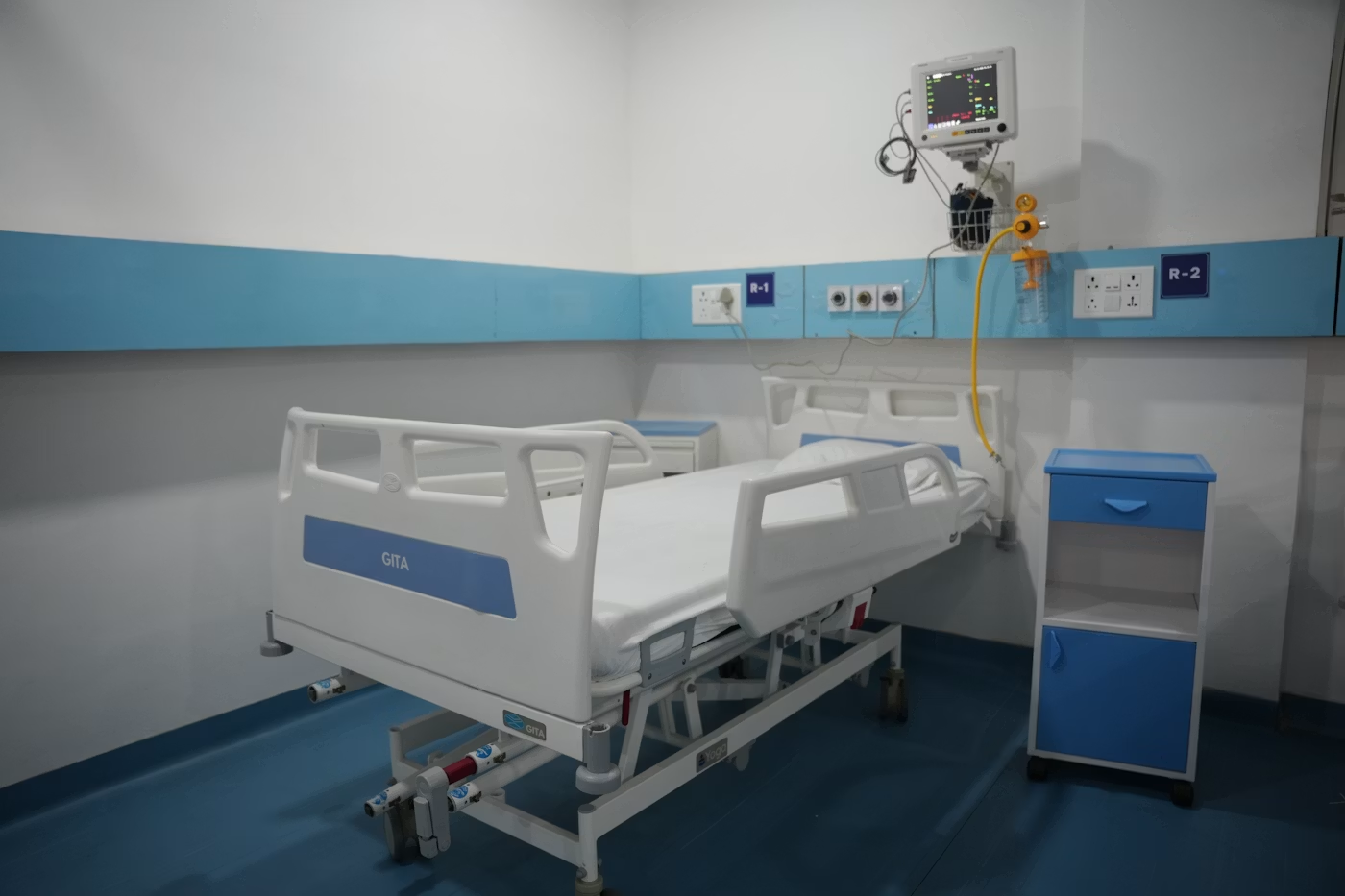
Drug detox is the process of clearing addictive substances from your body under medical supervision. It is often the first step in addiction treatment, especially for alcohol, opioids, benzodiazepines, and stimulants. Detox focuses on physical stabilization — not long-term recovery — so a structured treatment plan should always follow.
Attempting to detox alone can be dangerous. Withdrawal from alcohol and certain sedatives may cause seizures, severe dehydration, or hallucinations. That is why alcohol detox can be hard to handle without support. Medical teams monitor vital signs, manage symptoms, and intervene if complications arise.

Not everyone needs inpatient detox, but certain signs indicate that medical supervision is the safest choice. If your body has become physically dependent on a substance, stopping suddenly can trigger uncomfortable or dangerous withdrawal symptoms.
You need more of the substance to feel the same effect.
Shaking, sweating, nausea, anxiety, or insomnia when use stops.
Repeated attempts to stop have failed or led to relapse.
Liver issues, seizures, dehydration, or mental health crises.

Withdrawal looks different depending on the substance, length of use, dosage, and your overall health. During detox, our medical team treats symptoms as they appear and adjusts care to keep you stable.
Our Orange County detox program follows a clear, clinically guided path from admission through transition into ongoing treatment.
A full medical and psychiatric evaluation identifies risks, substance use history, and any co-occurring conditions.
Medical monitoring, hydration, nutrition, and medications help your body adjust safely as substances leave your system.
Counselors and nurses provide emotional support, coping strategies, and encouragement throughout withdrawal.
We connect you to the next level of care — residential, IOP, outpatient, or mental health treatment — before discharge.

Detox length varies by substance and individual health. Most people complete the acute phase within a few days to just over a week. However, post-acute withdrawal symptoms such as anxiety, sleep problems, or low mood can continue for weeks.
Factors that influence detox duration include the substance used, length and amount of use, age, metabolism, overall health, and whether other substances or mental health conditions are present. It is important to discuss all factors with a clinician before starting detox.
Risk of seizures and delirium tremens peaks in the first 72 hours.
Symptoms include muscle aches, sweating, nausea, and strong cravings.
Tapering is usually required; withdrawal can be prolonged and dangerous.
Crash phase includes fatigue, depression, and increased appetite.

Many people entering detox also live with anxiety, depression, PTSD, bipolar disorder, or other mental health conditions. Treating substance use without addressing these conditions increases the risk of relapse.
At Wavecrest, our clinical team evaluates co-occurring disorders during detox and integrates mental health support into your continuing care plan. According to the National Institute of Mental Health, integrated treatment for both conditions leads to better outcomes than treating either one alone.

Detox is an important start, but lasting recovery requires continued treatment. Once your body is stable, we help you transition into the level of care that matches your clinical needs, responsibilities, and goals.
24/7 structured care for those needing intensive support after detox.
Flexible programming with multiple therapy sessions each week.
Weekly therapy and medication management while living at home.
Ongoing care for anxiety, depression, trauma, and other conditions.

Withdrawal can be overwhelming, but medical detox gives you a safer, more comfortable path forward. Our admissions team is available to answer questions, verify insurance, and help you take the first step.
Substance Abuse and Mental Health Services Administration (SAMHSA). Treatment options for substance use disorders.
National Institute of Mental Health (NIMH). Substance use and co-occurring mental disorders.
Medically reviewed by Alyssa Mueller, LMFT. Last updated 2025.