
Comprehensive, evidence-based care for alcohol use disorder — integrating medical detox coordination, medication-assisted treatment, and whole-person therapy in Orange County.
Medically reviewed by Alyssa Mueller, CADC II — Clinical Director
Complete the form for a free insurance coverage check or call us to speak with an experienced and compassionate team member who can guide you in maximizing your benefits. Your insurance provider will not be notified.
"*" indicates required fields
Alcohol use disorder is one of the most prevalent and medically complex substance use disorders, affecting 29.5 million U.S. adults annually, according to data from SAMHSA (Substance Abuse and Mental Health Services Administration).
This page examines evidence-based treatment approaches for alcohol addiction, outlines the mechanisms underlying dependence, explores medical complications that require specialized intervention, and highlights integrated therapeutic strategies that support sustained recovery. Appropriate, comprehensive alcohol addiction treatment addresses all aspects of this chronic condition.
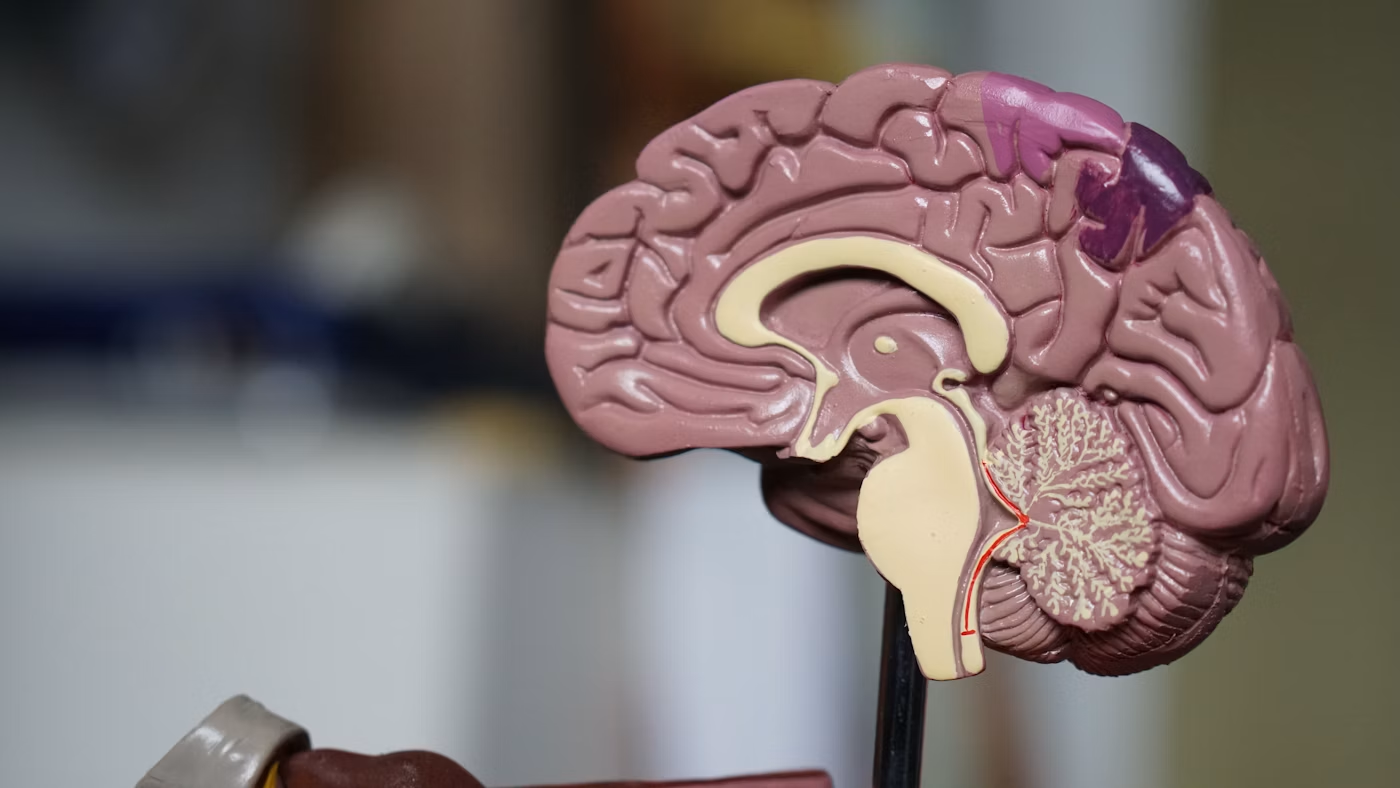
Chronic alcohol consumption fundamentally alters brain chemistry through multiple neurotransmitter systems, creating physiological changes that drive compulsive use despite adverse outcomes.
Alcohol enhances the activity of GABA (gamma-aminobutyric acid), the brain’s primary inhibitory neurotransmitter, while suppressing glutamate, the principal excitatory neurotransmitter. With repeated exposure, the brain compensates by downregulating GABA receptor sensitivity and upregulating glutamate receptor activity, attempting to maintain equilibrium despite the constant presence of alcohol.
When drinking ceases abruptly, this compensatory neuroadaptation creates dangerous hyperexcitability. The brain remains calibrated for the depressant effects of alcohol but suddenly confronts their absence, triggering withdrawal symptoms ranging from tremors and anxiety to life-threatening seizures and DTs (delirium tremens). This means that alcohol withdrawal warrants medical supervision during detoxification, differentiating the process from many other substance withdrawal syndromes that, while intensely uncomfortable, rarely prove medically dangerous.
Alcohol consumption prompts dopamine release in brain regions governing reward, motivation, and reinforcement learning. Chronic exposure blunts the dopaminergic response to natural rewards while sensitizing pathways to alcohol-related cues, leading to cravings, compulsive use, and diminished interest in previously enjoyed activities.
Studies reveal that individuals with alcohol use disorder demonstrate hyper-responsiveness to alcohol-related stimuli, accompanied by under-responsiveness to natural rewards, patterns persisting months into abstinence. These enduring changes explain why recovery often requires extended support beyond initial detoxification, as brain healing progresses naturally over 12 to 18 months or more.
Alcohol use disorder produces widespread physiological damage requiring a comprehensive medical assessment and coordinated intervention alongside addiction treatment.
The liver bears a substantial metabolic burden in processing alcohol, with long-term exposure progressing through predictable stages. Fatty liver disease develops initially, characterized by fat buildup inside liver cells. Continued drinking leads to alcoholic hepatitis, involving inflammation and cellular damage. Without intervention, cirrhosis manifests. This involves irreversible scarring compromising liver function with potentially fatal complications, including portal hypertension, hepatic encephalopathy, and hepatocellular carcinoma.
Treatment programs addressing alcohol use disorder incorporate liver function monitoring through lab testing, nutritional interventions supporting liver repair, and coordination with specialists when advanced disease presents. Abstinence is the sole intervention that prevents the progression of cirrhosis.
Ongoing alcohol consumption provokes many heart issues, including hypertension, cardiomyopathy, arrhythmias, and elevated stroke risk. Alcoholic cardiomyopathy can lead to heart failure without cessation intervention.
Comprehensive alcohol treatment addresses cardiovascular complications through medical monitoring, blood pressure management, cardiac function assessment, and coordination with cardiology services when indicated. The cardiovascular system has a remarkable capacity for recovery with sustained abstinence, providing powerful motivation for treatment engagement.
Alcohol neurotoxicity produces both acute and chronic neurological complications. Wernicke’s encephalopathy is an acute thiamine (vitamin B1) deficiency presenting with confusion, ataxia, and weakness of the eye muscles. This condition requires immediate thiamine administration, preventing progression to irreversible Korsakoff syndrome, characterized by severe memory impairment and confabulation.
Long-term alcohol exposure produces brain volume loss, white matter degradation, and cognitive dysfunction affecting memory, executive functioning, and processing speed. While substantial recovery can occur with sustained abstinence, some deficits persist, necessitating adapted therapeutic approaches utilizing concrete language, repetition, and compensatory strategy development.
The GI system experiences direct alcohol toxicity, producing gastritis, peptic ulcers, pancreatitis, and malabsorption syndromes. Acute and chronic pancreatitis are serious complications causing severe pain, digestive dysfunction, and diabetes development through the destruction of pancreatic endocrine cells.
Nutritional rehabilitation is an essential treatment component, addressing vitamin deficiencies, electrolyte imbalances, and protein-calorie malnutrition common among those with severe alcohol use disorder. A comprehensive medical assessment identifies gastrointestinal complications that require specialized intervention alongside addiction treatment.
Contemporary alcohol addiction treatment integrates multiple evidence-based modalities addressing the condition’s biological, psychological, and social dimensions.
Naltrexone blocks mu-opioid receptors, reducing alcohol’s rewarding properties by preventing the release of endogenous opioids accompanying consumption. Clinical trials show that naltrexone reduces heavy drinking days, decreases total alcohol consumption, and lowers relapse rates compared to placebo. Both oral daily formulations and extended-release monthly injections are effective, with injectable preparations improving adherence.
Acamprosate modulates glutamatergic neurotransmission disrupted by chronic alcohol exposure, reducing protracted withdrawal symptoms like anxiety, insomnia, and dysphoria lingering for months after detox. Research reveals that acamprosate increases abstinence rates, especially for individuals committed to alcohol avoidance rather than moderation.
Disulfiram inhibits aldehyde dehydrogenase enzyme activity, causing severely unpleasant reactions when alcohol is consumed. While efficacy depends heavily on medication adherence, supervised disulfiram administration is effective in highly motivated individuals, particularly when combined with contingency management approaches.
CBT (cognitive behavioral therapy) for alcohol use disorder helps individuals identify thought patterns triggering drinking, challenge alcohol-related beliefs, and develop alternative behavioral responses to high-risk situations. Functional analysis examines specific contexts surrounding alcohol use, such as emotional states, interpersonal situations, and environmental cues informing individualized relapse prevention strategies.
Behavioral components include drink refusal skills training, urge management techniques, and lifestyle reconstruction activities providing natural rewards replacing alcohol’s reinforcing properties.
Many people enter alcohol treatment with ambivalence about change, experiencing simultaneous desires for sobriety and continued drinking. Motivational enhancement therapy utilizes empathetic, collaborative techniques to resolve this ambivalence by exploring discrepancies between current drinking behaviors and stated values or goals.
Rather than using confrontational tactics that provoke resistance, therapists help clients articulate their own reasons for change, enhancing intrinsic motivation more effectively than externally imposed rationales.
Alcohol use disorder impacts family systems, disrupting communication patterns, damaging trust, and creating codependent behaviors, inadvertently maintaining dysfunction. Family therapy addresses these systemic dynamics while educating relatives about alcohol addiction as a medical condition rather than a moral failing.
Behavioral couples therapy demonstrates particular efficacy, producing superior outcomes to individual treatment alone. Partners attend sessions together, learn communication skills, engage in shared recovery-supportive activities, and address relationship issues contributing to or resulting from alcohol use.

Alcohol addiction treatment occurs across intensity levels matching clinical need, medical complexity, and environmental stability.
Individuals with moderate to severe physical dependence require medically supervised detoxification before engaging in ongoing treatment. Inpatient detox lasts 5 to 7 days with 24-hour monitoring, benzodiazepine management, and thiamine supplementation to prevent neurological emergencies.
IOP provides 9 to 15 hours weekly of structured group therapy, individual counseling, psychoeducation, and relapse prevention training. PHP offers 20 to 30 hours weekly, allowing people to remain anchored to work and family while accessing comprehensive interventions.
Lower intensity outpatient therapy serves those with milder alcohol use disorders or as a step-down following more intensive programming. Weekly individual sessions combined with support group participation provide ongoing accountability during extended recovery phases.

At Wavecrest Behavioral Health, we provide comprehensive, evidence-based alcohol addiction treatment through our intensive outpatient and partial hospitalization programs. Our licensed clinical team delivers integrated care addressing both alcohol use disorder and co-occurring mental health conditions through coordinated psychiatric and addiction medicine services.
We incorporate medication-assisted treatment when clinically appropriate, coordinate with medical specialists addressing alcohol-related health complications, and provide family therapy supporting systemic healing alongside individual recovery. Our trauma-informed approaches account for the frequent intersection between alcohol abuse and traumatic experiences, ensuring sensitive and effective intervention.
Alcohol use disorder is one of the most prevalent and medically complex substance use disorders, affecting 29.5 million U.S. adults annually. Comprehensive treatment addresses biology, behavior, and the family system.
U.S. adults affected
confidential admissions
naltrexone · acamprosate
outpatient programs